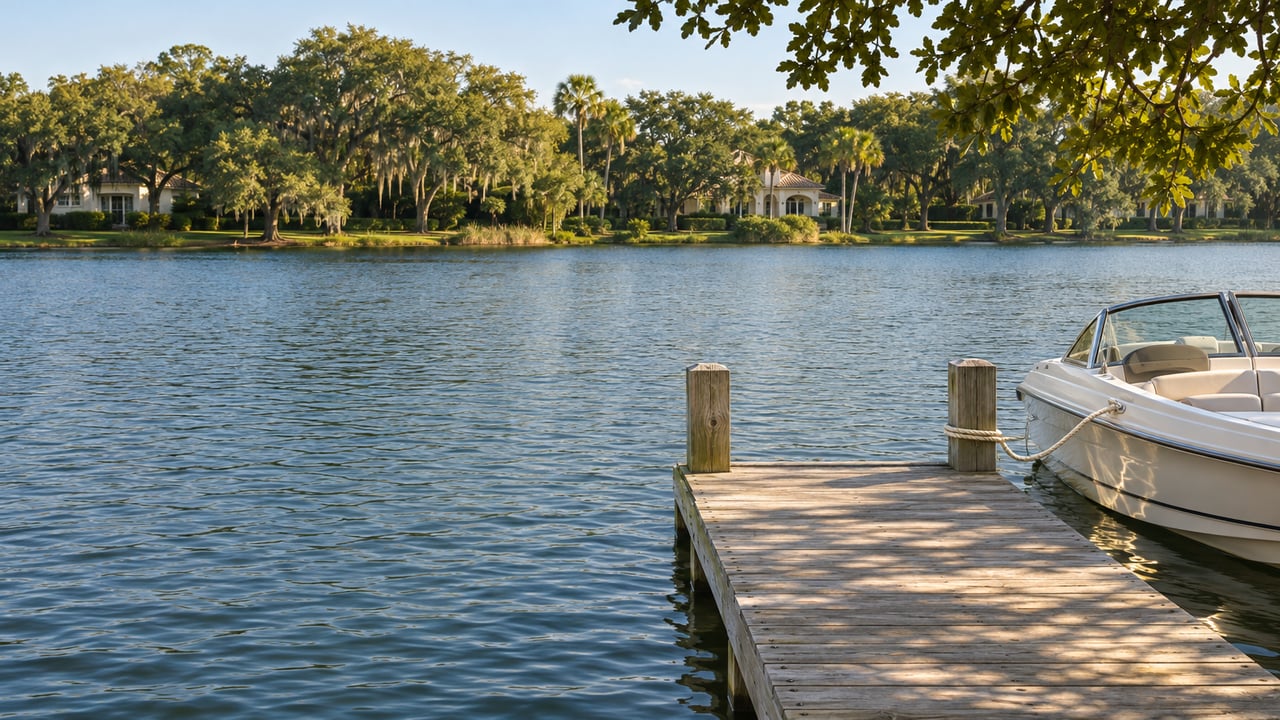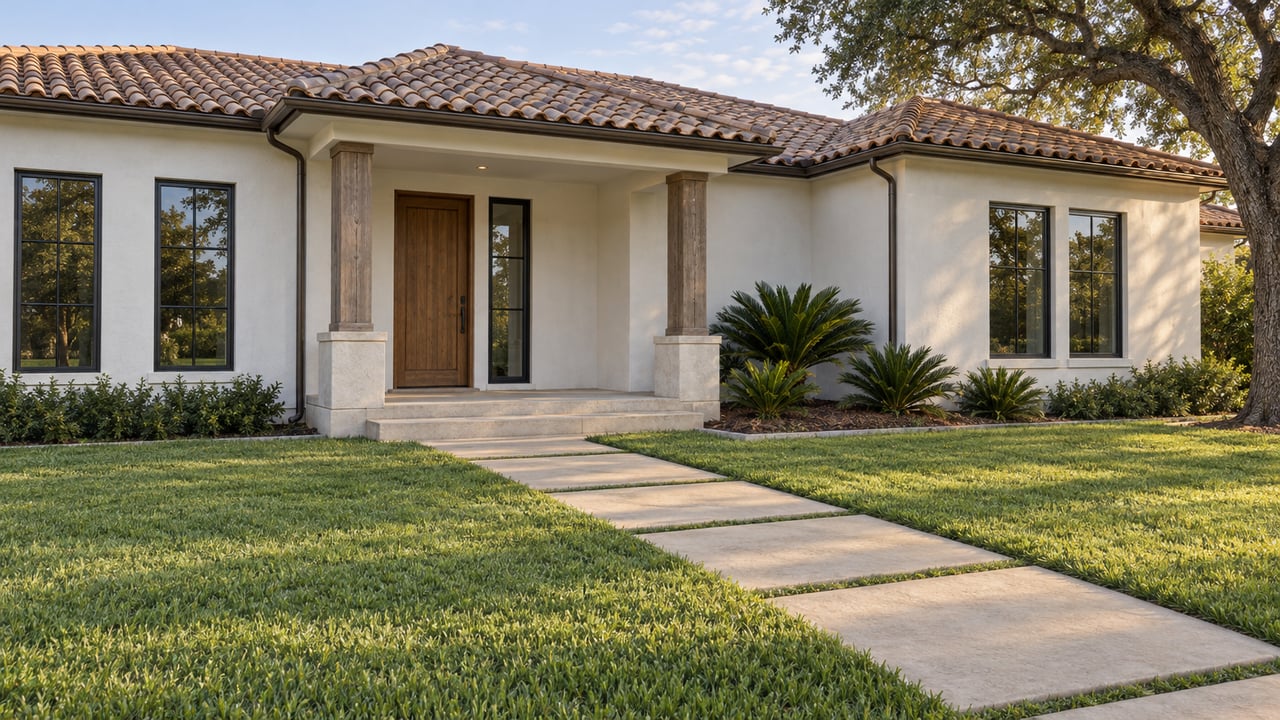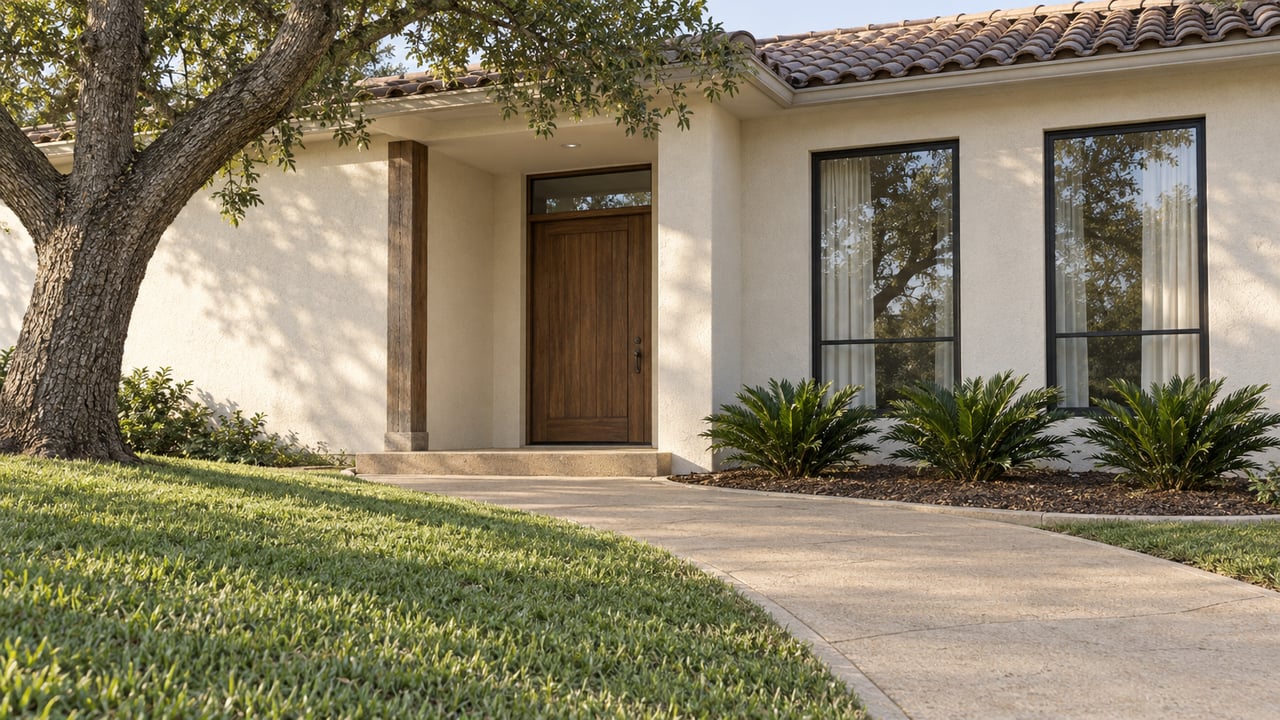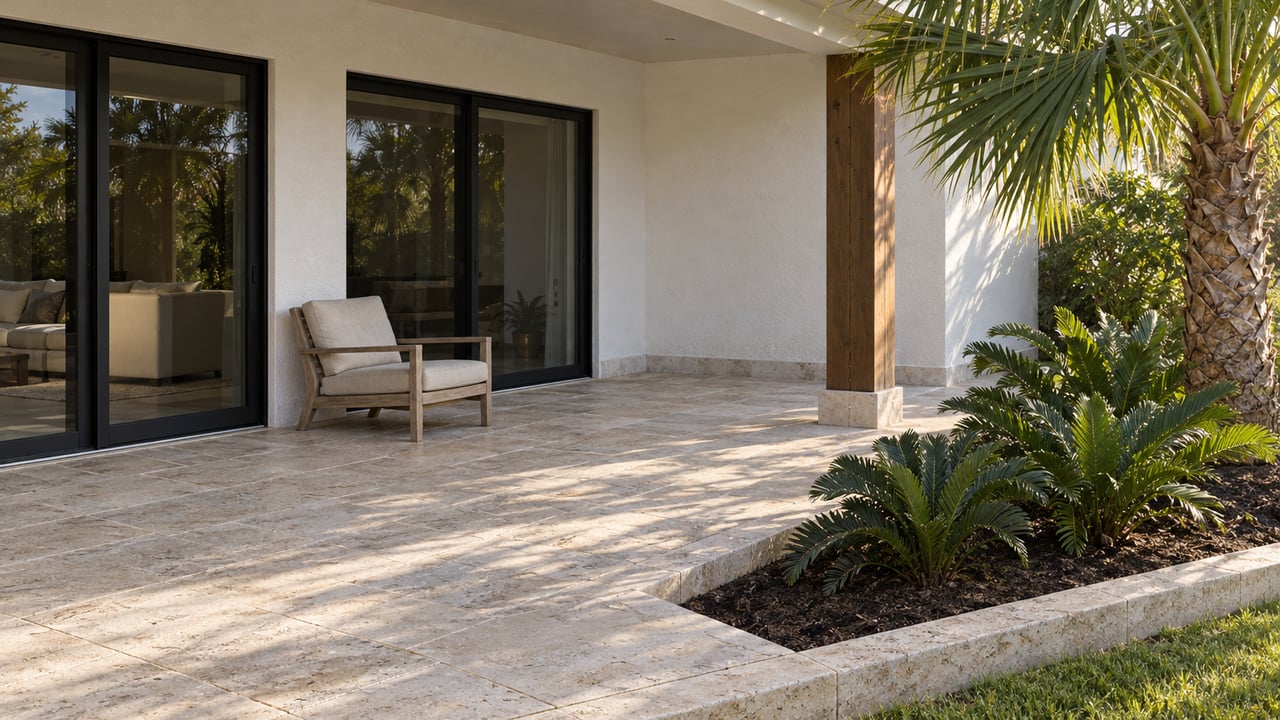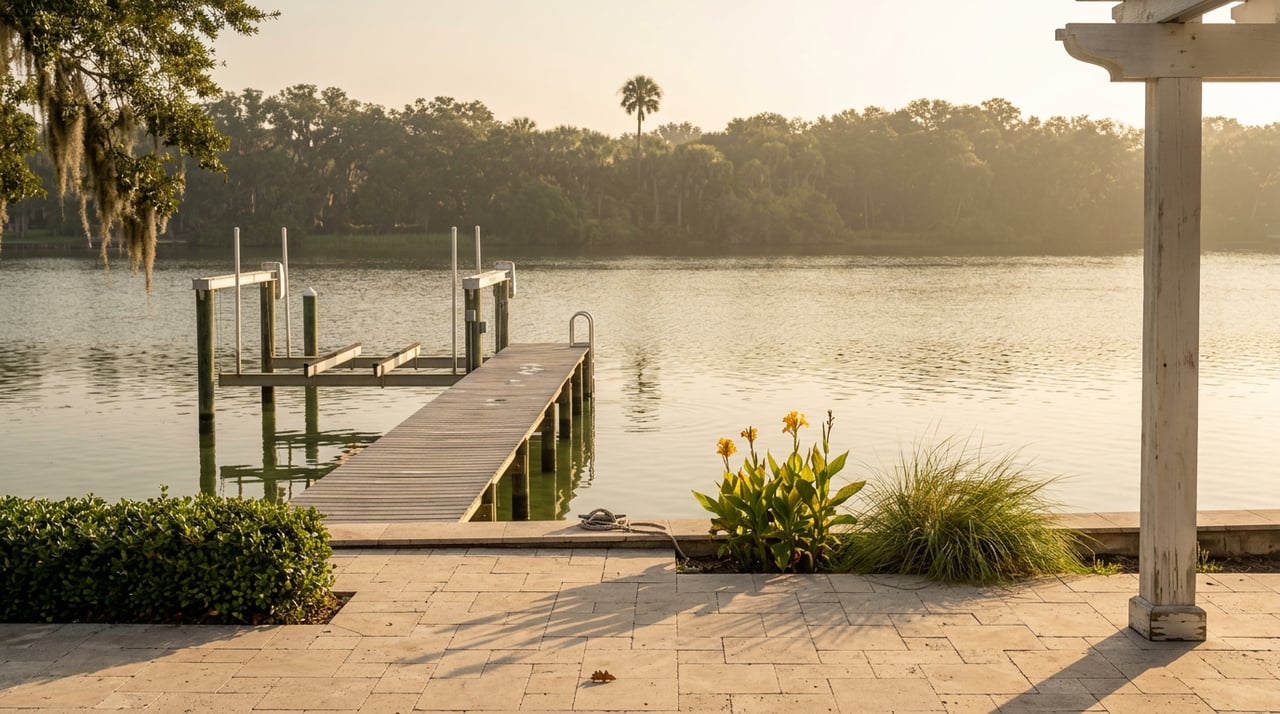
Most Central Florida buyers treat a dock the way they treat a pool cage or a fenced yard: a fixture that comes with the property, already built, already theirs the moment the deed transfers. On the Butler Chain of Lakes, that assumption skips a step. The dock sitting in front of a Windermere lakefront home isn't simply part of the property. Its paperwork matters as much as its condition.
The Butler Chain's thirteen interconnected lakes carry a legal designation called Outstanding Florida Waters, a detail a standard home inspection never touches.
Where Your Property Actually Ends
Orange County set the normal high water line for the Butler Chain at 99.5 feet above mean sea level, according to the Orange County Sportsmen's Association, a private boating club founded in 1931 that publishes shoreline guidance for the chain. Everything above that line is private property. Everything below it, including the lake bottom your dock's pilings sit in, belongs to the state.
So the dock a seller walks you across during a showing has a paper trail worth checking.
Two Agencies, Two Approvals, One Closing
Orange County's own rules spell out how long its half of the process takes. A construction application for a boat dock in a special district must sit under review for a minimum of 35 days from the date it's received, and a shoreline or lakeshore protection application runs a minimum of 30 days, according to Orange County's Lakeshore and Wetland Impact Permits page. That's the county side, and it typically starts after the state side has already weighed in.
Before writing an offer on a Butler Chain lakefront home, pull four things:
- The dock's permit history through the SJRWMD's public permit search, which shows whether the structure in the water matches the structure on file.
- The recorded shoreline footage and the exact riparian rights language in the deed.
- County and town-level dock and seawall permit records, which are a separate file from the state's.
- HOA or POA dock and slip rules if the home sits inside one of the chain's gated communities.
Grandfathered Isn't the Same as Guaranteed
A lot of docks on the Butler Chain predate the current review standards. Condition tells you how the dock has held up, but its paperwork is what matters for due diligence—a question most buyers skip because nothing about a sound, attractive dock signals a permit problem.
What Getting It Wrong Actually Costs
| Scenario | Typical cost range | What it doesn't guarantee |
|---|---|---|
| Seawall replacement | $30,000 to $150,000, depending on length | Approval to rebuild to a larger footprint |
| Dock or lift reconstruction | $200 to $600 per linear foot | The same slip size or configuration as before |
| County review alone | Minimum 30 to 35 days by ordinance | A parallel or faster SJRWMD decision |
The dollars in that table are recoverable with the right budget. The approvals are not something a bigger check speeds up.
The Chain Isn't One Market
Where a lakefront home sits on the Butler Chain changes who actually controls the dock question. In-town streets in the Town of Windermere itself, including Eichelberger, Interlachen, and Lake Avenue, carry direct Lake Butler frontage without a gate or a POA, which means the dock's permit is the individual owner's to manage start to finish. Gated enclaves like Isleworth, Keene's Pointe, Chase Lake, and Lake Down Estates route dock and slip questions through a community association Individual lakefront homes scattered around the chain's smaller lakes, outside any named community, tend to carry older permits and thinner paper trails, and deserve the longest diligence window of the three.
Access rules aren't uniform across the chain either. Boats have to stay at no-wake speed within 300 feet of any shoreline, dock, or swimming area on every lake in the system, and the narrow canal connecting Lake Tibet-Butler to Lake Butler is idle-speed only regardless of what the open water allows on either side of it. Bird Island, a bird sanctuary on Lake Butler, draws boats to anchor nearby on weekend afternoons but is off-limits to step on. None of that shows up on a home inspection report, but it shapes what living on a specific stretch of the chain is actually like once you own the dock.
The chain itself is substantial by any measure. It spans more than 5,000 acres across thirteen interconnected lakes joined by 32 navigable canals, according to the Orange County Water Atlas, maintained through a partnership with the University of South Florida. Size is part of the draw. It's also why a permit written for one stretch of shoreline doesn't automatically tell you anything about the stretch two coves over.
What This Means for Your Timeline
Because the county's own process runs a minimum of 30 to 35 days, the inspection period in a lakefront contract may not leave room to verify what you're buying. Build the due-diligence timeline around the permit search first, then layer the physical inspection on top. Treat a seller's answer of "the dock's always been there" as the start of your homework, not the end of it.
What Buyers Ask Once They Pull the File
Does every dock on the Butler Chain need its own state permit? Not necessarily. Minor repairs and some small structures can fall under state general permits or exemptions. New construction, expansion, or a rebuild after significant damage typically triggers full review, so the safest move is verifying status rather than assuming it based on age or appearance.
What happens if I buy a home and later find the dock was never permitted? An unpermitted dock can create problems after closing, so verify its status before you buy.
Does buying into a gated community like Isleworth or Keene's Pointe make this simpler? Sometimes. If the POA holds the permit at the community level, it centralizes management, but it also means you're negotiating any future change through the association rather than handling it directly with the state.
Buying on the Butler Chain rewards the same instinct that serves any Windermere purchase: read the specific lot, the specific dock's paper trail, and the specific community's rules before you anchor on the view. The house is the part you can picture. The dock's paperwork is the part to check.
If you're weighing a lakefront purchase on the Butler Chain and want a second set of eyes on the dock file before you write an offer, Soraya Tamaddon can walk through the specifics with you. Let's Connect.
This article is general information, not legal, tax or financial advice. Consult a qualified professional about your situation.